A strengthened cervical cancer prevention program at Phocweni Umbutfo Eswatini Defence Force (UEDF) Clinic is closing a dangerous gap between diagnosis and treatment, demonstrating how sustained frontline effort, stronger clinical systems, and relentless follow-up can prevent cervical cancer.
Between January and June 2026, the clinic screened 566 women for cervical cancer, identified 163 women with precancerous lesions and treated 148 of them. Treatment coverage reached 91%, an 11% improvement from 80% during July–December 2025. In April 2026, the clinic achieved 100% treatment coverage among women with high risk to develop the disease.
URC supports the cervical cancer prevention work at Phocweni UEDF Clinic, with funding from the U.S. government.
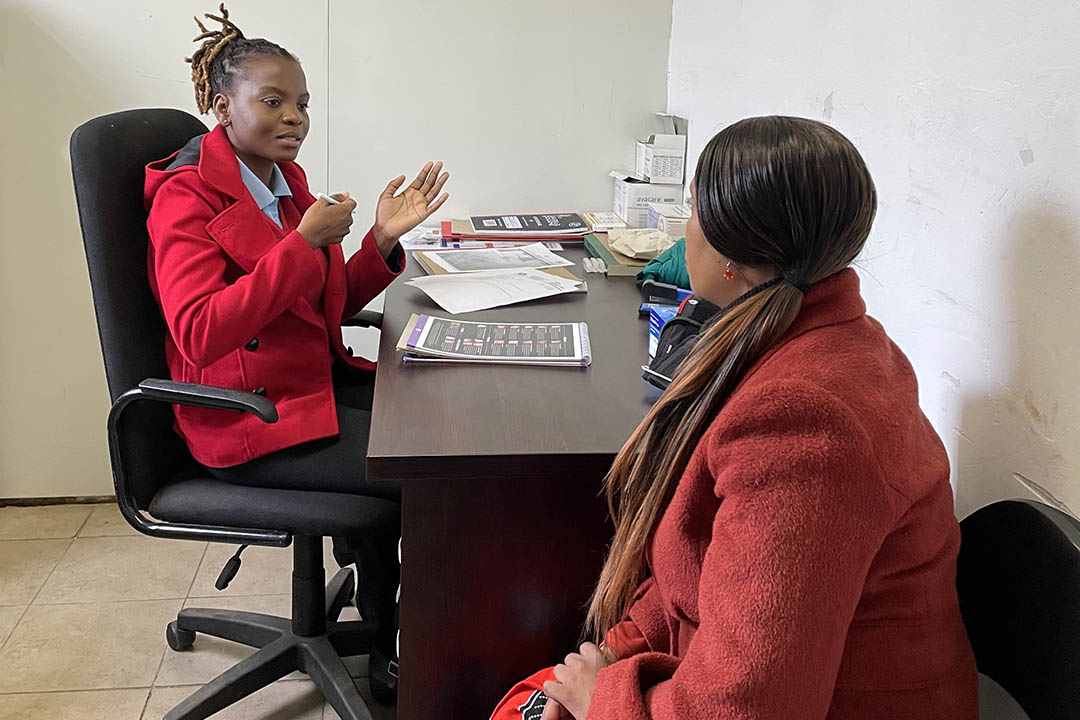
These numbers reflect healthcare workers finding women who need screening, counseling women facing the fear of an abnormal result, treating eligible patients without unnecessary delays and tracking down those who miss appointments.
“URC’s contribution in training, screening and treatment of cervical cancer precancerous lesions is visible and has made Phocweni military clinic nationally recognized as one of the excellent service providers in this intervention,” said Lt. Col. Dr. Sukulwakhe Mamba, UEDF Military Health Service Commanding Officer.
Cervical cancer remains a major cause of cancer-related illness and death among women in Eswatini, even though routine screening and timely treatment can prevent many cases. Historically, delayed diagnosis, missed treatment opportunities and loss to follow-up have weakened prevention efforts.
At Phocweni Clinic, the health workforce tackled those barriers systematically using performance data to identify gaps and strengthen screening, treatment and patient follow-up.
They expanded provider-initiated cervical cancer screening across outpatient, HIV, and other care services. Staff provided routine health education to build awareness and acceptance of screening. The program strengthened military doctors’ same-day treatment for eligible women who screened positive for the disease.
The work did not end when a patient left the clinic. Teams used telephone reminders and community tracing to find women who missed treatment appointments. Multidisciplinary teams meet every month to examine performance, identify gaps and take corrective action. Healthcare workers received continuing mentorship and supportive supervision, while improved forecasting and stock management helped keep essential treatment supplies available.
That combination of clinical care, management discipline and persistent follow-up produced measurable gains.
By June 2026, the clinic screened 142 women in a single month — its highest monthly screening volume during the six-month reporting period. The increased volume reflected growing demand for cervical cancer services. Women also reported greater confidence in the program because treatment was available after diagnosis, while counseling and same-day care reduced anxiety and encouraged screening uptake.
Healthcare workers reported that regular mentorship, program monitoring, and multidisciplinary performance reviews improved coordination. The program’s ability to procure supplies that were usually unavailable nationally also allowed providers to treat eligible patients on time. Together, same-day treatment and active follow-up reduced treatment delays and strengthened the pathway from cervical cancer screening and diagnosis to treatment.
The progress at Phocweni illustrates what health-system strengthening requires on the ground: trained providers, dependable commodities, purposeful use of performance data, repeated mentorship, active patient follow-up and teams willing to keep working until women receive the care they need.
The outcome is visible in the numbers: 566 women screened. 163 precancerous lesions identified. 148 women treated. Treatment coverage increased from 80% to 91%. And for one month, every woman identified with a precancerous lesion received treatment.
Each percentage point represents something more consequential than a performance indicator: more women moving from diagnosis to timely care, and fewer opportunities for a preventable disease to become life-threatening.