Global Health
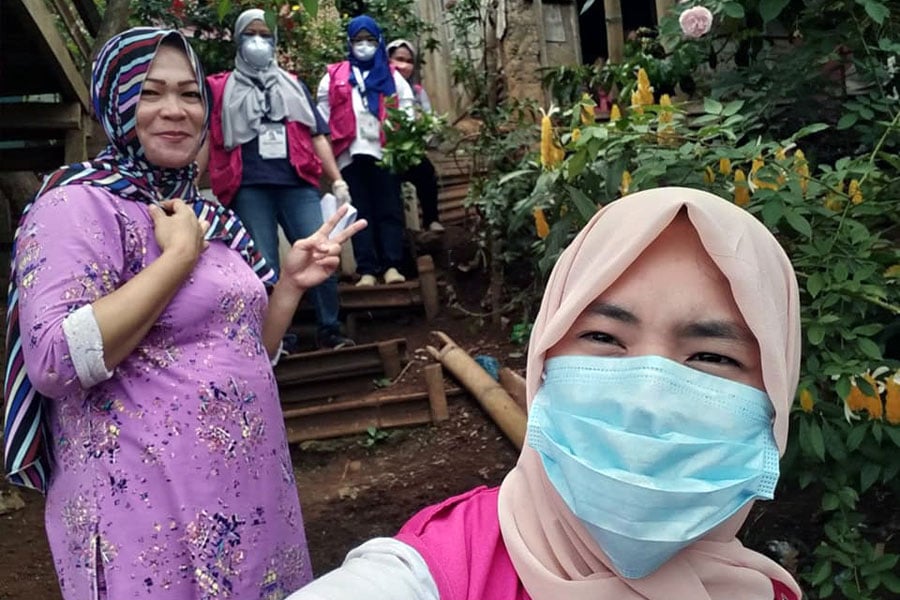
URC helps turn health priorities into stronger systems and measurable results—advancing global health security, improving infrastructure, institutionalizing quality improvement, expanding integrated service delivery, and strengthening maternal and child health and infectious disease programs that deliver lasting gains for communities. (Photo: URC)
Global Health
Turning Health Priorities into Stronger Services and Lasting Results
Our Commitment
URC partners with governments, businesses, and institutions – and the communities they serve – to prevent and respond to health threats, strengthen health systems, improve health service delivery, and deliver better health outcomes. We work within government-led priorities and systems, strengthening local capacity and institutions so that improvements can be sustained over the long term.
Our global health work helps translate priorities into stronger services and measurable results, while building the systems, workforce, and capabilities needed to sustain progress.
The impact extends beyond healthcare. Strong public health infrastructure, surveillance, laboratories, and rapid-response systems contain outbreaks before they become global emergencies. Healthier populations also increase productivity, strengthen economies, reduce poverty risk, and create more stable markets.
By strengthening systems, expanding opportunity, and driving sustainable change, URC helps build healthier, more resilient futures.
Our Experience
Global Health Security: URC builds durable systems that help governments prevent, detect and respond to health threats before they spread. We strengthen operational readiness across people, processes, data, laboratories, and coordination, combining technical expertise with performance improvement, government leadership, and long-term systems strengthening.
- Building Regional Public Health Emergency Operations Centers / Uganda: Partnered with the Ministry of Health to establish and strengthen 10 regional emergency operations centers and develop a national scale-up roadmap, strengthening incident management, surveillance, governance, coordination, ICT, and operating procedures.
- Strengthening Ebola Preparedness and Outbreak Response / Uganda: Supported Uganda’s 2025 Sudan Ebola Virus Disease response by orienting 473 rapid-response personnel, training 828 health workers, mentoring more than 5,491 personnel at 645 facilities, and coaching 3,585 Village Health Team members who reached more than 153,000 households.
- Expanding Community-Based Disease Surveillance / Mali: Strengthened surveillance across seven districts in Sikasso Region, training 99 facility leaders and 294 community health workers, equipping 541 villages with mobile phones, and integrating community data into national digital platforms.
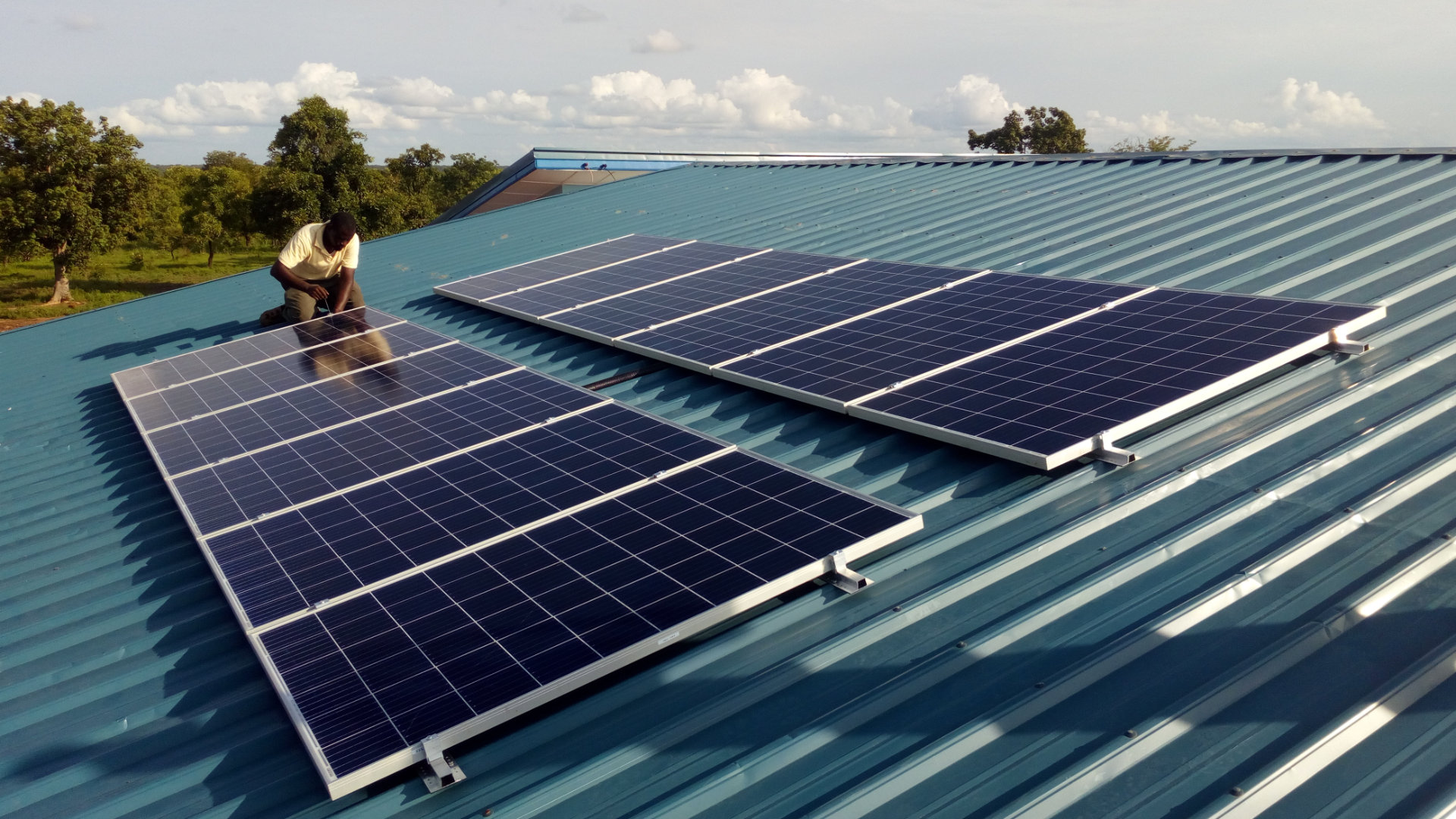
Health Infrastructure: URC uses infrastructure investment to build safer care, stronger teams, reliable services, and lasting government ownership. Integrated with broader system reforms and continuous monitoring and learning, facility improvements translate into measurable gains in care and performance.
- Uganda: Renovated 67 maternity wards, operating theatres, and/or laboratories alongside quality and workforce support, increasing facility deliveries from 461 to 813 at renovated sites and doubling cesarean sections in northern districts.
- Ghana: Built or renovated 76 primary care clinics through the national CHPS program, increasing facility deliveries from 8 to 734 in three years, outpatient attendance by 376%, and immunization completion by 51%.
- Eswatini: Upgraded military health clinics to improve privacy, patient flow, and capacity, contributing to 30%–700% increases in patient volume; more than 90% of client feedback cited improved cleanliness, privacy, and respectful care.
Healthcare Quality Improvement: URC partners with governments and health systems to institutionalize quality improvement across national, district, facility, and community levels, strengthening the systems, workforce, and processes to deliver safe, effective, and reliable care.
- Global Program in 45 Countries: For more than 30 years, URC strengthened healthcare quality through national strategies and improved maternal and child health, HIV, tuberculosis, malaria, nutrition, and noncommunicable disease services.
- Ghana: Instituted national quality management across 28 Ministry of Health agencies and 44 districts, supported 402 work improvement teams, and improved maternal, newborn, and child health, malaria prevention, anemia reduction, and community-level quality improvement.
- Jordan: Partnered with the Ministry of Health to enable 774 providers to implement 438 point-of-care quality improvement initiatives across primary care facilities and hospitals, sustaining gains in reproductive, maternal, newborn, and child health.
Health Service Delivery: Access alone does not deliver better outcomes. URC works with governments and health systems to strengthen integrated, safe, effective, responsive health services to improve quality, increase utilization, and deliver measurable results.
- Uganda: Helped the Ministry of Health integrate HIV, tuberculosis, hepatitis B, hypertension, diabetes, and other chronic care, training 9,816 health workers and launching integrated services in 699 facilities.
- Cambodia: Supported government-led malaria services, surveillance, and prevention in six provinces, testing 118,058 suspected cases and treating 100% of confirmed cases.
- Eswatini: Strengthened HIV services in military and affiliated facilities, including testing, index testing, PrEP initiation, treatment linkage, and continuity of care.
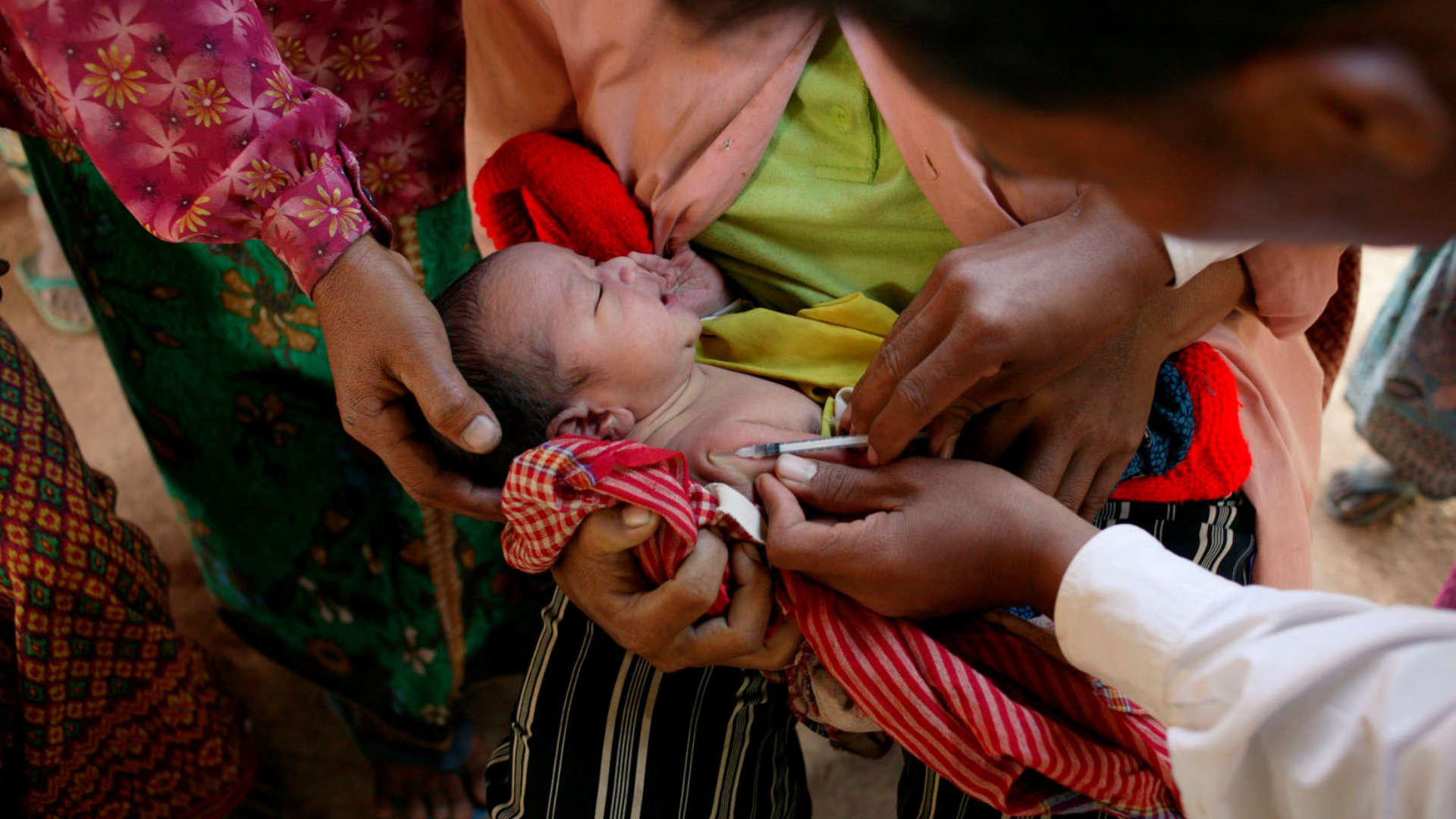
Maternal and Child Healthcare: URC works with governments and health systems to improve quality across the continuum from pregnancy and childbirth through newborn and child health, delivering measurable gains in survival, client experience, and health system performance.
- Quality Services for Health / Ghana: Helped reduce institutional maternal mortality by 47% and stillbirth mortality by 31%, increase malaria preventive treatment among pregnant women by 113%, and expand Ministry of Health agencies participating in service delivery improvement projects by 139%.
- Health Services Quality Accelerator Activity / Jordan: Strengthened maternal and child health services across 131 primary health centers and 20 hospitals, helping Jordan achieve its lowest maternal mortality ratio in 6 years.
- Nutri-Salud / Guatemala: Strengthened maternal and child nutrition during the first 1,000 days, reaching more than 55,000 families, training more than 1,000 frontline health workers, and improving services across 31 health districts.
Malaria: URC has led malaria programs in more than 20 countries across Latin America, the Caribbean, Africa, and Asia since 2003. We work through governments, local partners, and health systems to strengthen surveillance, procurement, logistics, provider capacity, preventive treatment in pregnancy, and access for at-risk groups, helping build locally owned, sustainable approaches.
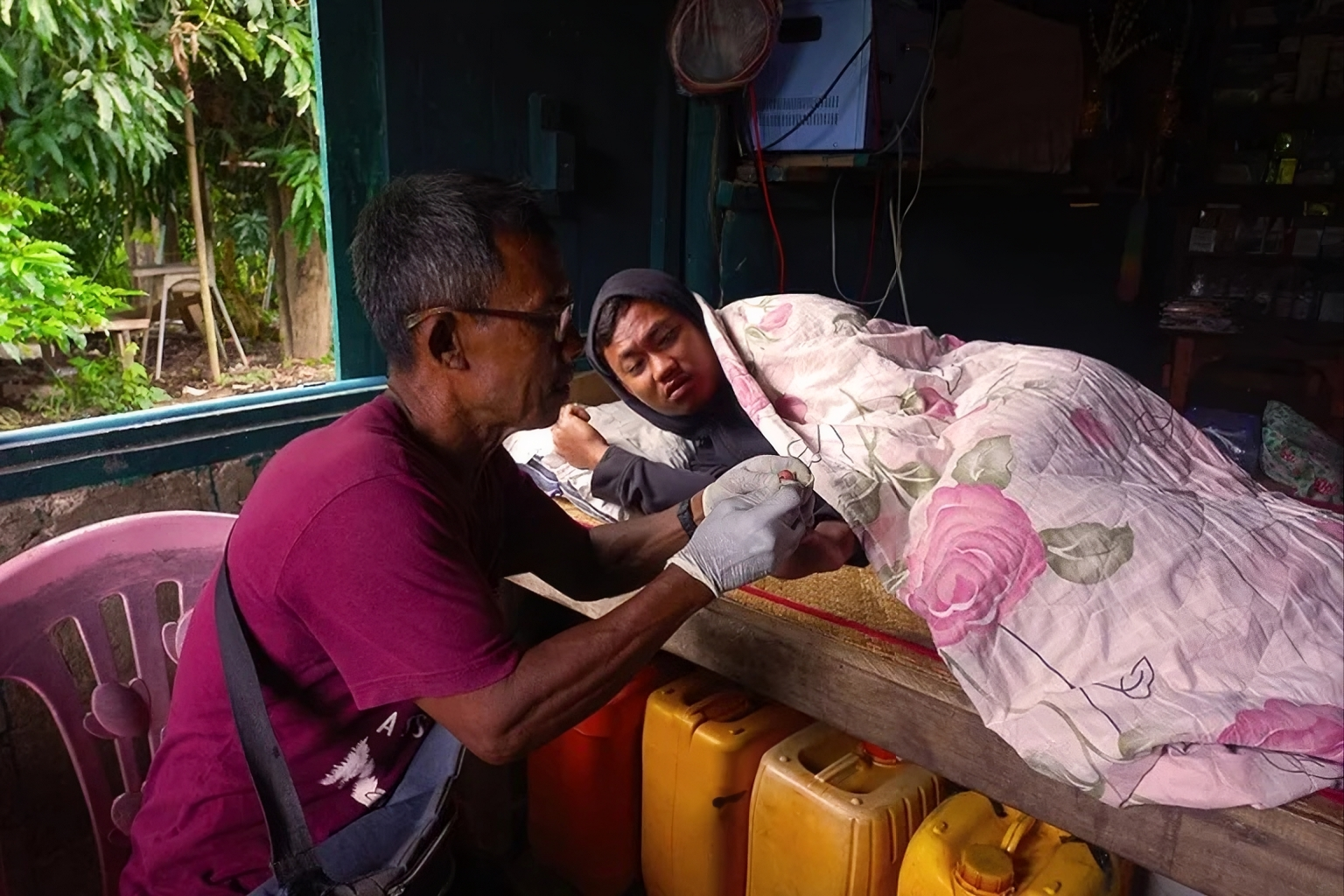
- Burma: The only large-scale malaria intervention in high-burden border regions delivers testing, treatment, and prevention services to over 650,000 people in 875 communities.
- Cambodia: Tested more than 378,000 suspected malaria cases, treated 100% of confirmed cases according to national guidelines, and rapidly investigated nearly all cases to help stop further transmission.
- Uganda: Strengthened malaria services across seven regions, helping health facilities test nearly all suspected cases and appropriately treat more than 98% of patients diagnosed with malaria, while increasing preventive treatment coverage among pregnant women from 67% to 76%.